
Reimagining Europe’s Future:
Connectivity, Creativity and Care
Euroculture Intensive Programme 2026


Reimagining Europe’s Future
Europe has never been a finished project. It is continuously shaped through crisis and cooperation, imagination and resistance, care and conflict. In a moment marked by ecological urgency, democratic fragility, and profound geopolitical change, the question is no longer simply ‘‘what is Europe?’’ but ‘‘how might Europe become otherwise?’’
The Euroculture Intensive Programme (IP) 2026, hosted in Groningen, invites students to engage with this question not as distant observers, but as active participants. Rather than diagnosing Europe’s “crises” or predicting its futures, the IP creates a shared space for experimentation, rehearsal, and collective imagination. It asks how Europe can be practiced differently, through new forms of connection, creative inquiry, and care.
Across three intertwined dimensions (Connectivity, Creativity, and Care), participants explore how political institutions, cultural practices, and social relations can be rethought under conditions of uncertainty. Imagination here is not a luxury or an escape. It is a method: a way of sensing, learning, and acting together when familiar answers no longer hold. Through seminars, collaborative labs, and public enactments, students work alongside artists, educators, policymakers, and civic actors to rehearse possible European futures in the present.
Situated in the city of Groningen, the IP turns place into pedagogy. The local becomes a lens on the European, and Europe itself emerges as unfinished, plural, and open to transformation. The programme treats learning as a shared process—one that values slowness, curiosity, and experimentation as much as critique.
The Euroculture IP 2026 welcomes participants who are willing to stay with complexity, to think creatively across disciplines, and to imagine Europe not as a fixed destination, but as a collective practice still in the making.
Europe remains unfinished. Its futures must be practiced—again and again.
Programme Outline
The Intensive Programme 2026 in Groningen brings together academic exchange, experiential learning, and interdisciplinary dialogue under the theme Reimagining Europe. The programme combines student-led workshops, a regional field excursion, and keynote and panel discussions featuring scholars, practitioners, and policy professionals.
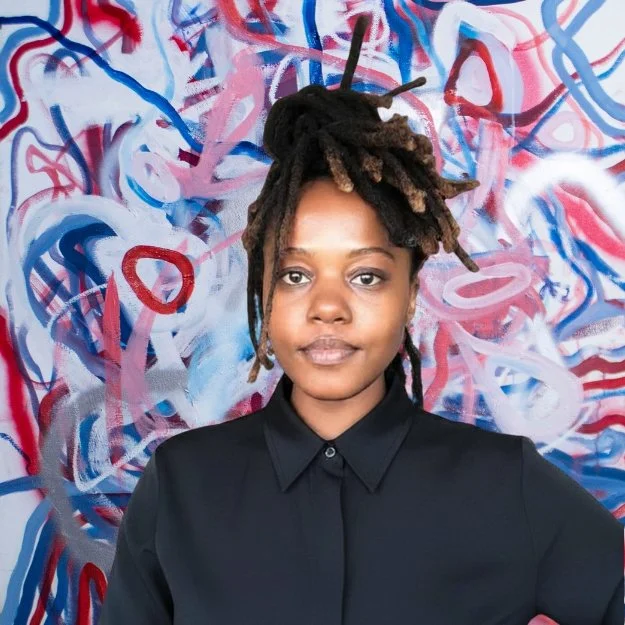
Keynote Speaker: Heidi Sincuba
Durban University of Technology, South Africa
Heidi Sincuba is an artist, researcher, writer, curator, and lecturer at the Durban University of Technology, South Africa. Their work spans sound, performance, memory, and decolonial artistic research, exploring creative practice as a mode of inquiry and a means of generating alternative knowledge, dialogue, and social change.
Their research engages with concepts they describe as “Afro-Glitch Protocols,” reframing system disruptions as methodological entry points for rethinking dominant technological and epistemological frameworks. Their work also draws on African cosmological knowledge systems to challenge conventional distinctions between technology, culture, and knowledge production.
The abstract of this particular lecture may be reviewed here.
Heidi has a produced a reading list of relevant academic articles to this lecture, which may be reviewed here.
Panel Discussions
The programme also includes panel discussions featuring speakers from academic, cultural, and policy backgrounds. Participants include representatives from institutions such as the Dutch Ministry of Foreign Affairs, alongside other practitioners engaged in European policy, governance, and cultural production. The panels focus on how ideas about Europe’s future are translated into policy frameworks, institutional practices, and public narratives.
Making Futures Otherwise: Protocols, Practice, and Imagining Europe Beyond Europe, (29 June, 11:30 to 12:30 in the Offerhauszaal, Broerstraat 5, Groningen)
This panel will explore decolonial technological imaginaries, artistic practice, and new ways of imagining Europe beyond Europe. It brings together the experts listed below, with Sean Fitzpatrick, Executive Director of ZAM Magazine, joining as a special guest.
The discussion will address key questions such as: Who is already building the platforms and co-producing the images, imaginaries, stories, and spaces through which Europe’s possible and entangled futures are being rehearsed? And what does it mean to place human rights, decolonial perspectives, and alternative knowledge systems at the centre of how we imagine Europe’s future(s), as co-created with global others and selves?
-
Jesse van Amelsvoort is senior lecturer in modern European culture at the University of Amsterdam. A Euroculture alumnus, he has published Post-National Worlds in Contemporary European Literature and is currently writing a book on the cultural representations of HIV and AIDS.
-
Heidi Sincuba is an artist, researcher, writer, curator, and lecturer at the Durban University of Technology, South Africa. Their work spans sound, performance, memory, and decolonial artistic research, exploring creative practice as a mode of inquiry and a means of generating alternative knowledge, dialogue, and social change.
-
Marianne Franklin is full Professor and Chair, Media, Cultural Industries and Society at the University of Groningen. Her research explores the human rights and gender dimensions at the intersection of internet cultures of use and public policymaking from a decolonial perspective. Former Chair of the Global Internet Governance Academic Network (GigaNet), Marianne has served as Chair of the Internet Rights and Principles Coalition at the UN Internet Governance Forum. Along with publications in this domain, Marianne also publishes on music, politics, and the arts. Internet Decolonized, edited with Henna Zamurd Butt is out in September with Oxford University Press.
-
Phila Hillie is a digital designer, researcher and artist working across visual culture,
technology and storytelling. Her work explores how digital platforms shape perception,
identity and empathy, often combining design, research and narrative to create layered,
interactive experiences. -
Parisa Zandbaf was born in Tehran, Iran where her parents introduced her to classical music, performance, and Iranian cinema. With a BA from the University of Tehran (acceptance rate 10%), she moved to Europe to pursue a fully funded Erasmus Mundus Joint MA in Spain, The Netherlands, and Italy (acceptance rate 3%). Her interests in arts and philosophy led her to her Ph.D. studies in film aesthetics at the University of Amsterdam. Meanwhile, her independent films from fiction to documentaries and experimental reflect her global journey and academic insights. She has served as a jury member at the Amsterdam Independent Film Festival (2021) and the Changing Face International Film Festival (Sydney, Australia 2022), and as an academic judge on the art history and theory panel for the Global Undergraduate Awards, The Junior Noble Prize (Dublin, Ireland 2023). In 2023, she embarked on her second MA in Filmmaking in London fully funded by the Chevening scholarships (acceptance rate 1.9%). The Dutch-Iranian film director and Ph.D. candidate aims to continue transcending borders and provoking thought through her work.
Reimagining Europe in Practice (30 June, 13:30 to 15:00 in the Offerhauszaal, Broerstraat 5, Groningen)
This panel will explore how Europe’s future is shaped through diplomacy, cultural institutions, and local political life. It will examine the actors, narratives, and representations of Europe, as well as how institutions respond to global challenges such as climate change, war, migration, economic transformation, and democratic distrust. There will also be opportunities for audience participation and discussion. The panel features the following lineup of experts, and will be moderated by Jelmer Herms.
-
Larissa Versloot is a senior policy advisor (Dutch Ministry of Foreign Affairs) and postdoctoral associate fellow (Leiden University). She holds a PhD from the University of Copenhagen and was a visiting Fulbright PhD fellow at the School of International and Public Affairs (SIPA) at Columbia University, New York. Larissa researches and writes about multilateral cooperation, foreign policy strategies and diplomatic negotiations. She focuses on the concepts of trust and distrust in the field of International Relations, more generally, and how trust is maintained in diplomatic practice more specifically. In her work, Larissa actively bridges the gap between academia and the practical reality of foreign policy, also in her current role coordinating the ‘future of Europe’ at the MFA in The Hague.
-
Marta Cillero Manzano is Director of Fondazione Studio Rizoma, where she works at the intersection of contemporary art, ecological thinking, and social practice. Her work focuses on fostering transdisciplinary research and collective processes that engage with environmental justice, cultural production, and community-based practices. She has developed and curated international projects that explore the role of art and culture in addressing socio-ecological challenges, with a particular focus on the Mediterranean context.
-
Justine Jones (she/her) has a strong background in higher education, combining academic teaching with policy work focused on internationalisation. She has worked as a lecturer in International Relations at the University of Groningen and European Studies, and previously worked on internationalisation policy at NHL Stenden University of Applied Sciences. Today, she works as an independent moderator and trainer, supporting civil servants and local politicians in their professional development. In addition, she helps international professionals find their way in the local labour market in the Northern Netherlands.
Alongside her professional work, Justine is a local politician in the Groningen municipal council. In this role, she is deeply committed to securing justice and recognition for victims of gas extraction and to amplifying the voices of international residents within the local community.
-
Stefan Couperus is Associate Professor of European Politics and Society at the University of Groningen. Trained in both modern history and journalism, he brings an interest in how ideas about democracy and Europe travel between scholarship, politics, media, and public debate. He has taught international cohorts at bachelor’s, master’s, and postgraduate levels, including in European Languages and Cultures and the Erasmus Mundus MA Euroculture. His research focuses on democracy, political discourse, and local and regional governance in modern Europe, examining how European futures (and pasts) are imagined, contested, and put into practice across institutions, communities, and classrooms.
Field Excursion: Energy Transition and Regional Transformation
In collaboration with the Knowledge Platform Leefbaar en Kansrijk Groningen, this year’s IP includes a field excursion focusing on the social and environmental impact of gas extraction in the Groningen region. The Knowledge Platform is an interdisciplinary initiative that connects researchers, policymakers, and local communities to address knowledge gaps and facilitate dialogue on regional transformation. Key themes include:
Social and infrastructural impacts of gas extraction
Processes of recovery and community rebuilding
Broader implications for energy transition and resource governance in Europe
The excursion includes visits to locations in Eemsdelta (including Loppersum) and Eemshaven, offering insight into both historical developments and ongoing transitions in the region.
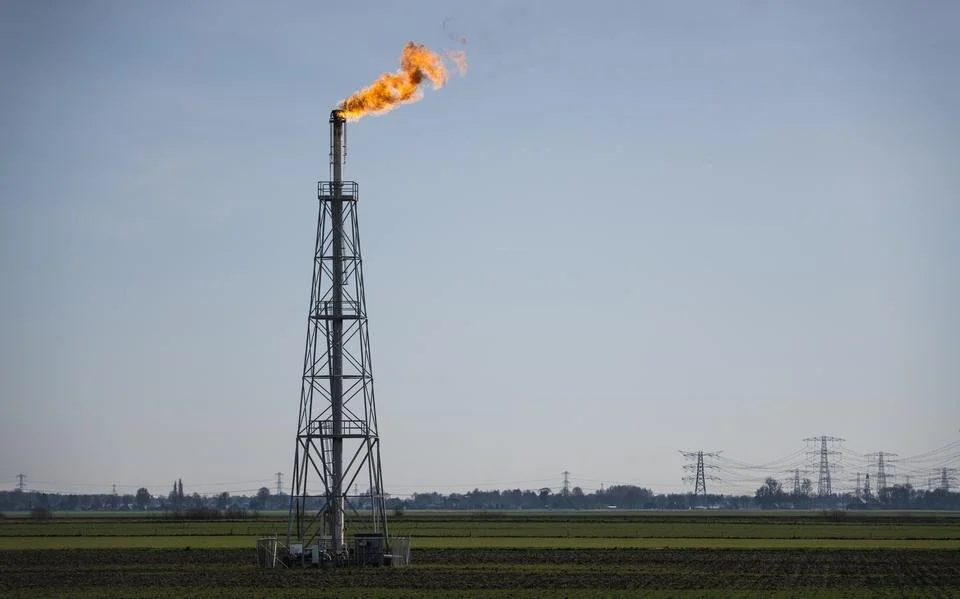
Photo credit: Archive Kees van de Veen
Workshops: European Youth on the Future of Europe
Student participants will take part in a series of interactive workshops designed to connect theory with practice and encourage critical reflection on contemporary European challenges. Sessions are facilitated by second-year Euroculture students as guest contributors. These workshops were designed in the framework of Euroculture’s partnership with EU Immersive.
1) Geopolitical Shock Simulation
This workshop places participants in the role of expert advisory teams responding to a simulated geopolitical crisis. Working under time constraints, teams analyse implications for specific regions and develop policy recommendations. The process concludes with a creative output reflecting localised impacts of the scenario.
2) Groningen Care Atlas
This session examines formal and informal care infrastructures in a European urban context. Through narrative-based scenarios and collaborative mapping, participants explore how individuals navigate institutional and social support systems. The workshop results in a comparative “Care Atlas” highlighting access pathways, gaps, and systemic barriers.
3) Connective Economies: Resilient Business Practices
Focusing on sustainable and community-oriented economic models, this workshop investigates how small-scale businesses operate within broader market structures. Participants combine field observation and analysis to examine motivations beyond profit and develop a short policy-oriented reflection on resilient local economies.
4) Narratives of Europe: What is the Common Thread?
This workshop explores how narratives about Europe are formed, transmitted, and interpreted across generations and contexts. Through interviews, reflection, and creative interpretation, participants produce visual or textual artefacts. These contributions are compiled into a collective publication exploring shared and divergent perspectives on Europe.
Career Day and Alumni Evening
The programme will include a Career Day, featuring a networking workshop (more details to follow) and a series of panel discussions with programme alumni. The aim of the Career Day is to support participants in developing professional skills and exploring potential career paths.
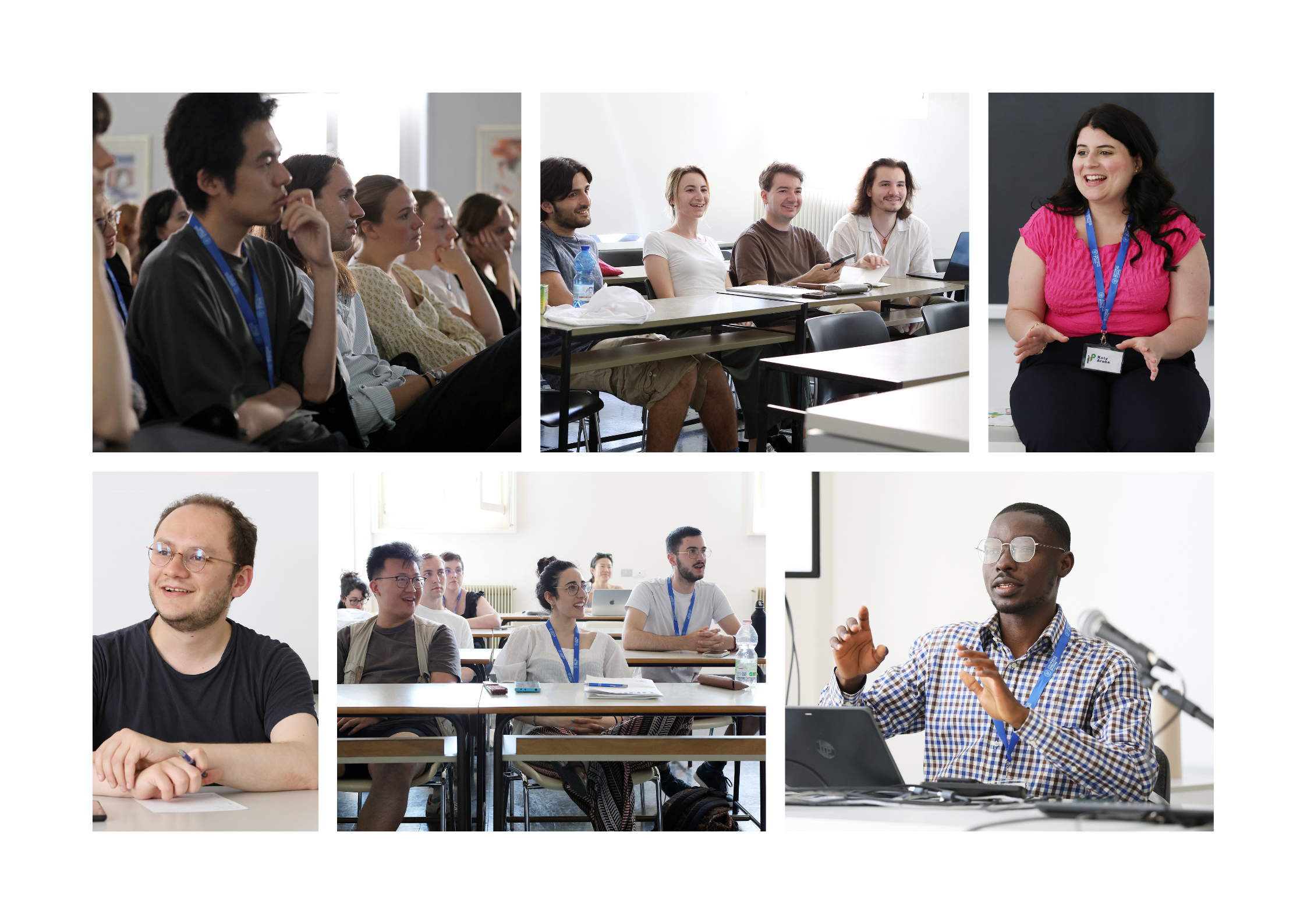
Career Day Workshop: Networking & Visibility in European Professional Networks
Offered by James Leigh (Bureau Buiten) and Valentin Haumesser (Euroculture coordinator and lecturer)
This interactive session equips students with practical networking and communication skills for careers in European affairs, public policy, consultancy, and international cooperation. They will explore how professional relationships are built at European events, develop their own networking approach, and learn how to share insights effectively through LinkedIn. By the end of the workshop, they will have a personal pitch, a draft LinkedIn post, and actionable strategies to strengthen their professional profile and network.
Career Services: Photo Booth
Offered by the Groningen Faculty of Arts Career Services
The Career Services team of the Faculty of Arts will come by with a professional photo studio, giving students the opportunity to create a high-quality headshot that they can use for their CV, LinkedIn, or other forms of professional communication.
Career Day Panel Sessions: Introduction
Offered by Euroculture students affiliated with the Euroculturer Magazine
With the help of students from The Euroculturer, a series of panels featuring Euroculture alumni across a range of fields has been prepared. These 20-minute panel sessionsoffer the opportunity to hear from a wide variety of alumni and learn about their professional experiences Afterwards, there will be drinks, giving students the chance to apply what they have learned and to connect with peers and alumni in a more informal setting.
Career Day Panel Sessions: Alumni Panelist Composition
Panel 1: Civil Society, International Cooperation & the Private Sector
-
Sabine works as a consultant at ERAC (European and Regional Affairs Consultants), where she focuses on developing European and national projects and supporting local and regional governments in their engagement with the European Union. She advises public authorities on project development, strategic alignment with EU priorities, and opportunities for European funding.
Her work involves helping regions and municipalities translate their ambitions into concrete projects and identifying funding programmes that can support their objectives. She is involved throughout the process, from advising on strategic positioning and project design to providing training and guidance on working effectively with EU policies and programmes.
-
Lina Mansour is a migration specialist with over eight years of experience working at the intersection of integration, refugee support, and education policy. Her Euroculture thesis focused on migration, belonging and urban citizenship in Berlin.
Currently working with IOM – UN Migration in Berlin, Lina has contributed to projects supporting refugee resettlement, pre-departure orientation, integration pathways in Germany, and tracking missing migrants along migration routes. Beyond her professional work, she also creates political education content on social media, making topics related to migration, integration, democracy, and social policy in Germany more accessible to broader audiences.As a Euroculture alumna, her professional experience spans international organizations, civil society, and public-sector funded initiatives, with a particular focus on creating inclusive educational and social opportunities for migrants and refugees.
-
Angela Medendorp works as a senior programme advisor in the National Agency for Erasmus+ Youth and the European Solidarity Corps, where she is responsible for managing an Action that allows young people between the ages of 18-30 to volunteer abroad. She is involved on all levels, from discussing the strategy of the programme with the European Commission to handling any and all issues that may come up when young people go abroad.
Panel 2: Research and Education
-
Camilla Portesani is an independent Public History Consultant working on interdisciplinary projects involving cultural institutions, researchers, communities, and public stakeholders.
A 2020 graduate of the Euroculture programme, she holds a PhD in Public History and Outreach from the C²DH at the University of Luxembourg. She has always been interested in the intersections of history, culture, social justice, and human rights.
Public history has provided a framework through which she can bring these passions together, developing collaborative projects that connect academic research with wider audiences and generate meaningful social impact - mostly in terms of representation, inclusion and polyvocality. She is currently exploring how participatory history and storytelling can contribute to care, ageing, and well-being with different vulnerable communities.
-
Karin is responsible for providing high-quality and efficient support for students and degree programmes at the Faculty of Science and Engineering.
She leads teams that handle admissions, student exchange, student recruitment, marketing, administration, and scheduling. Together, these teams consist of approximately 30 staff members who work collaboratively to support the faculty’s educational programmes and student services.
-
Rieke is a postdoctoral researcher at the Centre for Media, Communication and Information Studies (ZeMKI) at the University of Bremen in Germany.
In her research project “‘You Are Your History’: Family Memory and Identity on Genealogy Platforms,” funded by the Central Research Development Fund (CRDF) of the University of Bremen, she investigates how genealogical platforms such as Ancestry, MyHeritage, and WikiTree shape and transform media practices related to family memory.
Rieke also teaches in the BA programme in Communication and Media Studies and the MA programme in Digital Media and Society. She completed her PhD at ZeMKI in 2022, focusing on mediated memories of migration within families.
Panel 3: Culture, Arts, Media and Communication
-
Wiebke has been working as a social media consultant for the European Commission since March 2025. In her role at the Audiovisual Services unit at the Directorate-General for Communication, her main task is to promote the video assets of the Commission’s YouTube channel. This concerns promotion inside as well as outside the institution. She manages the YouTube channel, analyses the performance of the unit’s products, and gives impulses for new video products. She also manages the unit’s website which is an important source for journalists in their daily work
-
Nickie is based in Brussels and works as an EU Policy Consultant for the Region of the Ionian Islands, Greece, where she supports the region’s Brussels office in strengthening its engagement with European Union institutions and policy developments.
In parallel, she serves as a Marketing Specialist at DIRIGO, a Greek consultancy firm, where she supports the development and implementation of social media marketing strategies for a portfolio of hotels across the Greek islands.
Nickie also gained valuable experience through a traineeship at the European Parliament and maintains a strong interest in European affairs and communication. Beyond her professional roles, she teaches Greek as a foreign language to learners from across Europe, primarily from Poland, and develops personal social media projects focused on EU careers and opportunities.
-
Arianna is an experienced professional in strategic engagement and leadership communication, with a strong background in European and international organisations, including the European Space Agency (ESA), the European Central Bank, the European Parliament, and the United Nations.
She has extensive expertise in developing and implementing internal communication strategies that promote organisational alignment, strengthen employee engagement, and support cultural transformation. Arianna also has hands-on experience integrating AI tools to enhance communication processes and improve the employee experience.
Currently, Arianna works in Internal Communication and Community Engagement at ESA in the Netherlands, where she focuses on connecting people, ideas, and projects across international teams through impactful communication and engagement initiatives.
Panel 4: Government and Governance
-
Wester is Manager of the Environment and Waste Team at the Human Environment and Transport Inspectorate (ILT). He leads the team responsible for permits relating to the transport of waste materials both within and beyond the European Union, in accordance with the European Waste Shipment Regulation (EWSR).
In this role, Wester oversees the team’s work on ensuring that cross-border waste shipments comply with applicable European regulations and supports the effective implementation of environmental and waste transport policies.
-
Suzanne currently serves as an Advisor on European Projects at the Municipality of Súdwest-Fryslân, where she is responsible for identifying and securing European funding opportunities and overseeing the municipality’s ongoing European projects.
In this role, Suzanne monitors European subsidy calls and assesses their alignment with planned municipal initiatives. When a suitable opportunity arises, she supports the entire application process, including advising the alderman, arranging co-financing, and preparing funding proposals.
In addition, Suzanne manages the municipality’s three active European projects. This involves participating in project meetings, ensuring deadlines are met, attending partner meetings with international project partners, and supporting reporting and compliance requirements for the European Union.
-
Chiara works as a Consular Officer in the Consular Section of the Embassy of Mexico in the Netherlands. In this role, she provides services and assistance to Mexican citizens abroad, while also supporting Dutch and international residents who wish to travel to or establish ties with Mexico.
Her work covers a broad range of consular procedures, including birth registrations, passport renewals, visas, notarial services, and nationality-related matters. Chiara is also involved in the protection of Mexican citizens, handling sensitive cases such as domestic violence, human trafficking, missing persons, and detention cases, while coordinating with local authorities and support organisations when necessary.
Through her work, she helps safeguard the rights and well-being of Mexican citizens overseas while facilitating connections between Mexico and the Netherlands.
-
Luca works in the Spokespersons Service of the European Commission, within a small Presidential Unit that supports the communication of the President of the European Commission.
In this role, Luca contributes to the President’s executive communication by drafting daily press briefing summaries, preparing official press conference readouts, and publishing and editing presidential speeches and statements. He also supports editorial coordination for flagship institutional communication initiatives, including the State of the Union Address.
Resources
The Euroculture IP2026 reader is a concise, curated collection of academic texts and preparatory materials that maps critical debates shaping Europe today and the intellectual agenda of the Intensive Programme 2026. In addition to a number of texts introducing the general theme, each of the three sub-themes also come with a number of curated texts to help provide participants with the necessary academic context to prepare their IP papers.
The IP reader is only available to registered students and staff of the programme.
The IP2026 schedule packs a week of academic panels, speakers, activities, and workshops. There are also several social events scheduled to take place for participants. Please note that the schedule can be downloaded and added to your preferred digital calendar.
The schedule is publicy available. Non-Euroculture affiliated students and teachers are free to attend the public parts of the programming.
The IP2026 Student Area is the centralized hub for all programme-related resources for the Intensive Programme, including the vignettes, and digital tools. Here you will find all previously disseminated materials, assessment guidelines, and the digital submission environment for papers.
The student area is only available to registered students of the Euroculture programme.
The IP2026 Staff Area is the centralized hub for Euroculture staff involved with the Intensive Programme 2026, providing quick access to essential documents, schedules, contact lists, and logistical guidelines.
The staff area is only available to registered staff affiliated with the Euroculture programme.
IP2026 - Official Partners
We are deeply grateful to our official partners for their contributions and support, which make this event possible. This section highlights the organisations and collaborators who stand with us in advancing the Intensive Programme 2026.
EU Immersive
EU Immersive is an Erasmus+ programme that brings young people closer to the EU Project through immersive learning experiences focused on its past, present, and future. It supports participants in developing a deeper understanding of the EU’s history, values, institutions, and key challenges. Through a combination of research-based learning, dialogue, simulation activities, and immersive digital formats, EU Immersive encourages young people to engage with the EU and reflect on their role in shaping its future.
Kennisplatform Leefbaar en Kansrijk Groningen
The Kennisplatform Leefbaar en Kansrijk Groningen collects and shares research relevant to social policy in the Groningen gas extraction area. They bring people and knowledge together, among other ways by organizing events such as knowledge cafés and conferences. They also regularly provide lectures on the state of knowledge and periodically publish a knowledge overview. Currently, work is underway on a handbook that will be published in the autumn of 2026. This will, among other things, map out the societal consequences of gas extraction and describe what residents, professionals, and other stakeholders can do with this knowledge. Finally, the Knowledge Platform is available for consultation. It is housed within the Faculty of Behavioural and Social Sciences at the University of Groningen.
The Groningen Research Institute for the Study of Culture (ICOG)
The Groningen Research Institute for the Study of Culture (Instituut voor Cultuurwetenschappelijk Onderzoek Groningen: ICOG) is one of the three research institutes within the Faculty of Arts. ICOG is home to a wide range of disciplines, from History, the Arts, Literatures and Cultures, American Studies, and Media and Journalism Studies, to International Relations, Humanitarian Action and Area Studies. Beyond their distinct subject areas and approaches, these disciplines share their interest for culture as the practices through which, now as in the past, humans define and negotiate their values, organize their societies, manage diversity, and reflect on impactful changes.
ZAM
ZAM is a transnational media platform based in the Netherlands that publishes independent journalism, cultural commentary and creative work from African writers, journalists, artists and thinkers. Through reporting, analysis and cultural production, ZAM explores social, political and economic issues shaping Africa and Europe today.
Rooted in networks that emerged from the anti-apartheid movements of the 1980s, ZAM works to broaden public understanding of African perspectives and strengthen dialogue between African, diaspora and European audiences. The platform supports cross-border exchange on issues including inequality, democracy, migration, culture and social change.
By amplifying diverse African voices and experiences, ZAM aims to contribute to more informed public conversation and new ways of imagining shared futures across continents.
Sign up!
Our keynote lecture by Heidi Sincuba, as well as the two panel sessions Making Futures Otherwise: Protocols, Practice, and Imagining Europe Beyond Europe, (29 June, 11:30 to 12:30 in the Offerhauszaal, Broerstraat 5, Groningen) and Reimagining Europe in Practice (30 June, 13:30 to 15:00, Offerhauszaal, Broerstraat 5, Groningen) are open to the public, and no sign-up is required. You are kindly invited to join us!
Are you an alumnus or current student of the programme looking to join the alumni drinks? Let us know you’re coming through this form link, and join the celebrations on 1 July 2026 from 18:30 onwards at Folkinge Brew!
If you have questions about our programming, feel free to contact euroculture@rug.nl for more information.